Ethnographic Research on Migrants in Kokoro's Community

Understanding the experiences of migrants is crucial in today’s globalized world. In Kokoro's community, a diverse group of individuals has come together, each with unique stories and backgrounds. This blog post explores the findings from ethnographic research conducted in this vibrant community, shedding light on the challenges and triumphs faced by migrants.
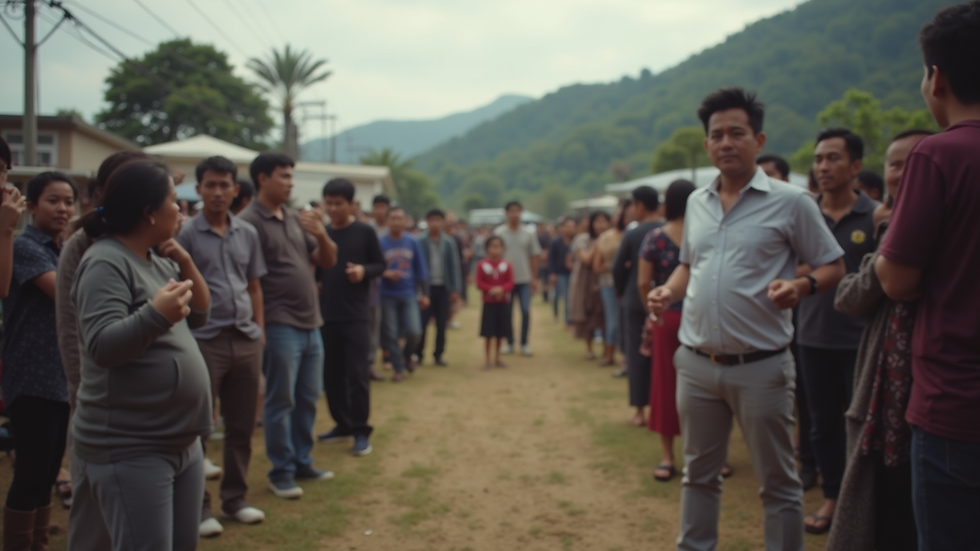
The Importance of Ethnographic Research
Ethnographic research is a qualitative method that involves observing and interacting with people in their natural environment. This approach allows researchers to gain deep insights into the lives of individuals and communities. In the context of migrants in Kokoro, ethnographic research provides a window into their daily lives, cultural practices, and the social dynamics that shape their experiences.
Why Focus on Migrants?
Migrants often face unique challenges, including:
Cultural Adjustment: Adapting to a new culture can be overwhelming. Migrants may struggle with language barriers, social norms, and unfamiliar customs.
Economic Hardships: Many migrants arrive with limited resources and face difficulties in securing stable employment.
Social Isolation: Being away from family and familiar surroundings can lead to feelings of loneliness and isolation.
By focusing on these challenges, researchers can better understand the needs of migrants and advocate for policies that support their integration into the community.
Methodology of the Research
The ethnographic research in Kokoro involved several key methods:
Participant Observation: Researchers immersed themselves in the community, attending events, and engaging in daily activities to observe interactions and cultural practices.
Interviews: In-depth interviews with migrants provided personal insights into their experiences, motivations for migration, and the challenges they face.
Community Engagement: Collaborating with local organizations helped researchers build trust and gain access to a broader range of perspectives.
This combination of methods allowed for a comprehensive understanding of the migrant experience in Kokoro.
Key Findings
Cultural Diversity and Integration
Kokoro's community is a melting pot of cultures, with migrants from various countries contributing to its rich tapestry. This diversity is celebrated through cultural festivals, food markets, and community events.
Cultural Festivals: Events such as the annual International Food Festival showcase traditional dishes from different countries, fostering a sense of belonging among migrants and locals alike.
Language Exchange Programs: Initiatives that pair migrants with local residents for language practice not only help improve communication skills but also build friendships and understanding.
Economic Contributions
Migrants play a vital role in the local economy. Many have started small businesses, contributing to job creation and economic growth. For example:
Food Trucks and Restaurants: Migrants have introduced unique culinary offerings, attracting both locals and tourists.
Craft and Artisan Markets: Local artisans, many of whom are migrants, sell handmade goods, promoting cultural heritage and supporting their families.
Challenges Faced by Migrants
Despite their contributions, migrants in Kokoro face significant challenges:
Employment Barriers: Many migrants struggle to find jobs that match their skills and qualifications due to language barriers and lack of recognition of foreign credentials.
Access to Services: Navigating healthcare, education, and legal systems can be daunting for migrants, particularly those who are not fluent in the local language.
Community Support Systems
Community organizations play a crucial role in supporting migrants. These organizations offer:
Legal Assistance: Helping migrants understand their rights and navigate immigration processes.
Job Training Programs: Providing skills training to enhance employability and facilitate integration into the workforce.
Social Support Groups: Creating safe spaces for migrants to share experiences and build connections.
Personal Stories from Migrants
To illustrate the findings, here are a few personal stories from migrants in Kokoro:
Maria's Journey
Maria, a single mother from Venezuela, migrated to Kokoro seeking a better life for her children. She faced numerous challenges, including finding affordable housing and securing a job. Through a local community organization, Maria received job training and eventually opened her own cleaning business. Today, she is not only supporting her family but also mentoring other migrant women in similar situations.
Ahmed's Experience
Ahmed, a skilled engineer from Syria, struggled to find work in his field due to language barriers. He participated in a language exchange program, which helped him improve his English and build connections within the community. With the support of a local organization, Ahmed eventually secured a job in a tech company, where he now thrives.
The Role of Local Government
Local government plays a significant role in supporting migrant integration. Initiatives such as:
Cultural Competency Training: Training for public service employees to better understand and meet the needs of diverse populations.
Inclusive Policies: Implementing policies that promote equal access to services for all residents, regardless of immigration status.
These efforts are essential in creating an inclusive environment where migrants can thrive.
Future Directions for Research
As the landscape of migration continues to evolve, further research is needed to address emerging challenges. Areas for future exploration include:
Impact of Policy Changes: Understanding how changes in immigration policy affect migrant communities.
Longitudinal Studies: Tracking the long-term integration experiences of migrants over time.
Mental Health: Investigating the mental health challenges faced by migrants and the resources available to support them.
Conclusion
The ethnographic research conducted in Kokoro's community highlights the resilience and contributions of migrants. By understanding their experiences, we can foster a more inclusive society that values diversity and supports the integration of all residents.
As we move forward, it is essential to continue advocating for policies that empower migrants and address the challenges they face. Together, we can build a community that celebrates its rich cultural heritage while ensuring that every individual has the opportunity to thrive.
By engaging with migrants and supporting their journeys, we not only enrich our community but also strengthen the fabric of society as a whole.
Comments